
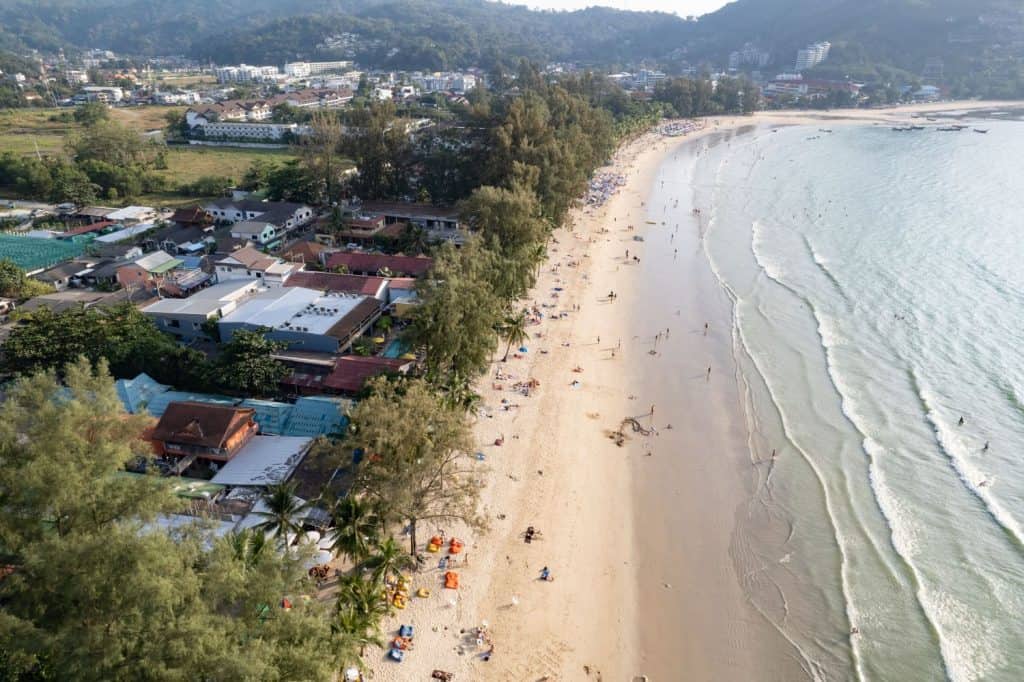
Kata Beach is one of Phuket’s most approachable and well-rounded seaside destinations, not as hectic as Patong, not as remote as some east-coast coves. In this guide we walk through what Kata Beach offers, how to get there, and the best ways to spend our time whether we’re traveling as a couple, a family, or solo. We’ll cover practical details, things to do, where to eat and sleep, seasonal tips, and the local customs that help us enjoy the place responsibly.
What Is Kata Beach And Who Is It For?
Kata Beach is a broad, gently sloping sandy bay on Phuket’s west coast, roughly 20–25 minutes south of Phuket Town and about 15–20 minutes from Karon. The crescent-shaped beach is known for clean sand, clear water (season permitting), and a relaxed atmosphere that sits between family-friendly and surf-ready.
Who is it for? In short: many kinds of travelers. Couples seeking a quieter beach with decent dining options will like it. Families benefit from relatively calm water during the high season and a good range of mid-range hotels with kid-friendly pools and facilities. Surf enthusiasts and bodyboarders favor Kata during the monsoon swell months when impressive waves arrive. And for those who want nightlife without the chaos of Patong, Kata and nearby Kata Noi and Karon offer bars and music that wind down earlier and feel less intense.
Kata also works well as a base for exploring southern Phuket: we can day-trip to Big Buddha, Karon viewpoints, and nearby islands, returning to a shoreline that still feels like a neighborhood rather than a party zone.
Getting There And Practical Information
Reaching Kata Beach is straightforward. From Phuket International Airport (HKT) we typically have three practical options:
- Taxi or private transfer: The fastest and easiest, especially if we’re traveling with luggage or in a group. Expect 50–60 minutes depending on traffic: fares vary with fixed rates or metered taxis. Pre-booked transfers remove uncertainty.
- Rental car or motorbike: Good for flexible exploration. Roads are well signposted: we advise renting only if someone in our group is comfortable driving local traffic. A motorbike halves travel time and parking is abundant near Kata, though helmets and caution are mandatory.
- Shared/minivan shuttle: Cheaper than private taxis, offered by many hotels or online services. They’re slower (multiple stops), but wallet-friendly.
Practical details we should note:
- Currency: Thai baht (THB). Cards are widely accepted at mid-to-upscale hotels, restaurants, and shops, but smaller stalls and local transport prefer cash. ATMs are common, but we recommend carrying some cash for day-to-day purchases.
- Connectivity: SIM cards from AIS, TrueMove, and DTAC are easy to buy at the airport or local shops. Data coverage is reliable: download offline maps for side streets.
- Wi‑Fi: Most hotels and cafes offer free Wi‑Fi: speeds vary.
- Accessibility: Kata has a mix of stairs and sloped areas: beachfront promenades and some hotels provide easier access for strollers and wheelchairs, but it’s not uniformly level.
Local emergency numbers: Thailand’s emergency number is 191 for police and 1669 for medical emergencies. Save them on our phones before we go exploring.
Top Things To Do At Kata Beach
Kata Beach blends simple beach time with a handful of active and cultural options nearby. We’ll usually split our days between sun, water, and short excursions.
Beach Activities And Water Sports
Swimming and sunbathing are the baseline: the bay is wide enough that we rarely feel crowded outside peak holiday weeks. During the southwest monsoon (roughly May–October) waves pick up, perfect for surf lessons and bodyboarding. Several local surf schools offer group lessons and board rentals, and lifeguards patrol popular stretches in high season.
Snorkeling is best at the rocky points around Kata Noi and Kata Yai rather than the central beach. For clear underwater visibility and more marine life, we recommend booking a half-day boat trip to nearby islands such as Racha or Coral Island.
Kayaking and stand-up paddleboarding (SUP) provide mellow ways to explore the bay early in the morning when the sea is glassy. Jet-ski rentals exist but we advise caution: regulations can be strict, and accidents are a common travel complaint, so use licensed operators only.
Nearby Attractions And Day Trips
Kata is well-placed for quick sightseeing: the Big Buddha sits on Nakkerd Hill with sweeping views of the west coast, a 15–20 minute drive. The Karon Viewpoint (Three Beaches viewpoint) is very close and gives an iconic panorama of Kata, Kata Noi, and Karon beaches. For cultural immersion, we can visit nearby Wat Chalong, Phuket’s largest and most revered temple.
Boat trips are a favorite: full-day island-hopping tours to the Phi Phi Islands, Similan Islands (seasonal), and Phang Nga Bay depart from nearby piers, ideal for snorkeling, sea kayaking, and photography.
Family-Friendly And Nightlife Options
Families will find shallow sandbars and gentle afternoons ideal for kids. Plenty of hotels offer family suites and childcare services. Kid-friendly activities include mini-golf, elephant sanctuary visits (choose ethical options), and cooking classes tailored to children.
Nightlife in Kata leans casual: relaxed beachfront bars, live music at local pubs, and occasional beach parties. If we want a livelier scene, Patong is 20–30 minutes away by car, but we often prefer to keep our evenings quieter in Kata.
Where To Eat And Drink Near Kata Beach
Kata’s dining scene is pleasantly varied: family-run Thai eateries, seafood restaurants, international options, and seaside cafés. We can find great meals across budgets.
Local Eateries And Street Food
For authentic flavors, we look for small restaurants marked by local crowds and chalkboard menus. Dishes to try include pad thai, green curry, tom yum, and freshly grilled seafood. Street food stalls sell roti, grilled skewers, and mango sticky rice, perfect for late-night cravings.
We recommend sampling local specialties in the market areas and simplifying orders if we’re not sure of spice levels. Most vendors are happy to adjust chilis, and pointing at a dish works fine when language is a barrier.
Beachfront Cafes, Bars, And Sunset Spots
Sunset spots define the evenings in Kata. Beachfront cafes and rooftop bars offer cocktails and seafood with an ocean view: they fill up early during high season, so we often arrive before sunset to secure a table. For a relaxed drink, look for places with live acoustic music and open-air seating, they capture that easy island vibe without being overrun.
If we’re after a celebratory night, a handful of bars host themed nights, DJ sets, or beachfront bonfires. Again, these are low-key compared to Patong but still a fun option if we want to socialize.
Where To Stay: Neighborhoods And Accommodation Options
Kata’s accommodation mix suits a range of travelers. We usually choose our neighborhood based on priorities: immediate beach access, dining options, family facilities, or quiet seclusion.
Budget And Mid-Range Choices
Budget hotels and guesthouses cluster along the main roads and side streets a short walk from the beach. These provide clean rooms, friendly service, and convenience, ideal if we plan to spend most days outdoors. Mid-range hotels offer pools, breakfast buffets, and easy beach access: many provide scooters or shuttle services for excursions.
Hostels and family-run guesthouses are widespread and often include community areas where we can meet other travelers. If we’re on a budget but want comfort, look for properties that include breakfast and airport transfers in the rate.
Upscale Resorts And Boutique Stays
Upscale resorts line the beachfront and hillside, offering larger pools, spa facilities, and private beach access in some cases. Boutique stays are scattered in quieter pockets and are great if we want personalized service, design-forward rooms, or privacy. Some hillside resorts boast spectacular sea views and early-morning tranquility, perfect for couples and wellness retreats.
Booking tip: for the best room locations and sunset views, reserve early in the high season (December–March). Many resorts offer refundable rates now, which helps with itinerary flexibility.
Best Time To Visit, Weather, And Seasonal Advice
The best time to visit Kata Beach largely depends on what we want to do.
- High season (December–March): Dry, sunny days and calm seas make this the most popular time. It’s ideal for swimming, snorkeling, and island-hopping. Expect higher prices and busier beaches.
- Shoulder seasons (November and April): Transitional months can be good deals, fewer crowds and reasonable weather. April starts getting hot, and sea conditions can be mixed.
- Low/monsoon season (May–October): Rainfall increases, and the southwest swell brings consistent surf, a boon for surfers but less ideal for casual swimmers. Many businesses remain open, but some island tours or boat services may reduce frequency.
We suggest planning around our priorities: for guaranteed beach days, choose high season: for surfing and quieter beaches, visit during the monsoon months and prepare for occasional heavy rain.
Practical Tips: Money, Transport, And Packing
A few practical tips we’ve gathered from repeat visits:
- Money: Bring a mix of cash and cards. Carry small notes for tuk-tuks and market stalls. Check ATMs for international withdrawal fees and notify our bank of travel dates to avoid card blocks.
- Transport: Download local ride apps and have hotel cards with addresses in Thai for tuk‑tuk drivers. If we rent a motorbike, verify insurance and inspect the vehicle thoroughly before riding.
- Packing: Sun protection is essential, reef-safe sunscreen, a wide-brimmed hat, and a light sarong. Pack a light rain jacket if traveling in the shoulder or monsoon season. Water shoes help for rocky snorkeling spots.
- Health: Bring basic first-aid items, motion-sickness remedies for boat trips, and insect repellent for evenings. Tap water in Phuket isn’t recommended for drinking: bottled or filtered water is standard.
- Booking: Reserve popular activities (Phi Phi day trips, surf lessons) in advance during peak months to avoid disappointment.
Small conveniences we appreciate: a compact dry bag for electronics on boat trips, a universal plug adapter, and a reusable water bottle to reduce plastic use.
Safety, Environmental Etiquette, And Local Customs
Safety and respect go hand in hand here. We follow a few straightforward rules to keep our trip smooth and responsible:
- Water safety: Swim between lifeguarded flags where present and heed local warnings. Currents can be deceptive during the monsoon season.
- Environmental etiquette: Avoid touching coral and marine life while snorkeling. Use reef-safe sunscreen when possible, dispose of waste responsibly, and support businesses that minimize single-use plastics.
- Wildlife: Don’t support attractions that exploit animals (avoid unethical elephant rides and performances). Seek sanctuaries with transparent welfare practices if we want to interact with wildlife.
- Cultural norms: Dress modestly when visiting temples, shoulders and knees should be covered. Remove shoes before entering religious buildings. A polite wai (slight bow with palms together) and a smile go a long way.
- Scams and petty theft: Use hotel safes for valuables, keep an eye on belongings at the beach, and verify prices before accepting services like tuk-tuk rides or souvenirs.
By staying aware and respectful, we protect both ourselves and the island’s fragile natural resources.
Conclusion
Kata Beach strikes a comfortable balance: it’s vibrant enough to enjoy good food, activities, and nightlife, but mellow enough to feel restful. Whether we’re looking to surf, relax with family, or use it as a base for southern Phuket adventures, Kata delivers value and variety. If we plan thoughtfully around season and accommodation, and treat the local environment and customs with care, we’ll come away with that uncomplicated island feeling, a slow rhythm of sun, sea, and simple pleasures.