
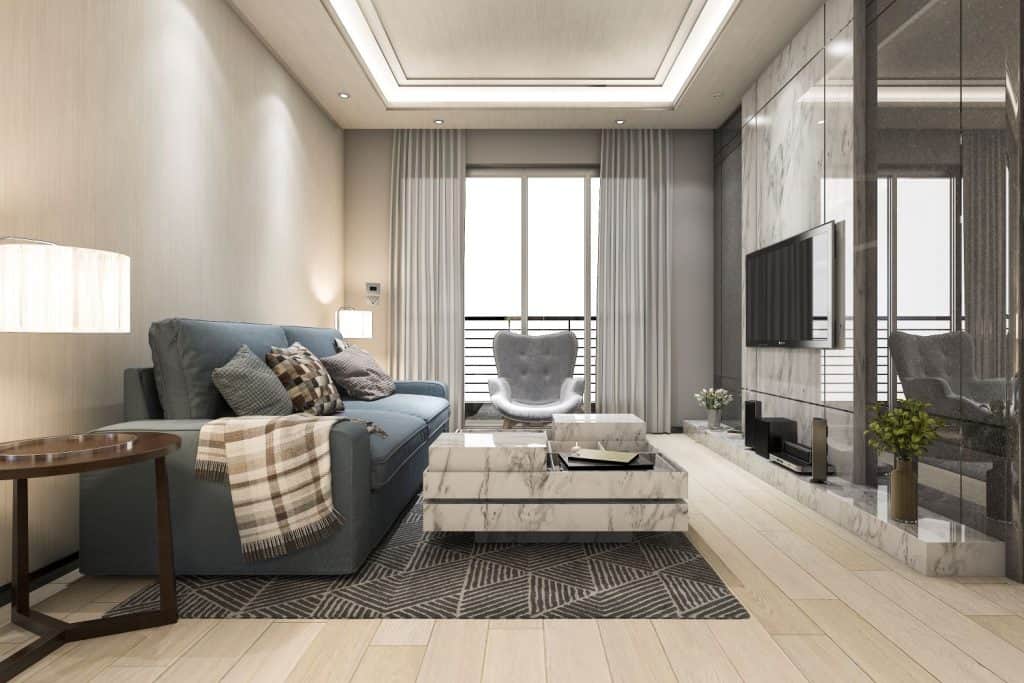
Bangkok interior design services are in high demand, and for good reason. We see everything from compact condo makeovers to large-scale hotel fit-outs, and the city’s design scene mixes global trends with rich Thai tradition. In this guide we walk you through why you’d hire a local designer, the services available, how to choose a reliable team, typical project timelines, realistic budgets, and the local considerations that matter in Bangkok. Whether you’re renovating a 45-sqm condo or launching a new café, this article will help you plan with clarity and confidence.
Why Choose Interior Designers In Bangkok
Bangkok interior design services bring a unique mix of local knowledge and international competence. We recommend hiring local designers for several practical reasons:
- Deep local knowledge: Bangkok designers understand neighborhood character, traffic patterns for deliveries, local suppliers, and how to navigate building management offices and condo rules.
- Cost efficiency: Local firms often have long-standing relationships with craftsmen and wholesalers, which translates to better pricing and faster lead times on furniture and joinery.
- Regulatory familiarity: Designers who work in Bangkok know the permit requirements, fire and electrical standards, and condominium by-laws that can stall or derail a project if overlooked.
- Cultural sensitivity: Good designers blend Western ergonomics with Thai lifestyle needs, for example, layouts that prioritize airflow, natural light, and spaces for both communal and private activities.
Beyond these, we find designers here who specialize by sector (residential, commercial, hospitality) and scale, so you can match expertise to your project’s complexity. If you value smoother procurement, fewer surprises, and designs that work for Bangkok’s climate and living patterns, hiring a local interior designer is a smart move.
Types Of Interior Design Services Offered In Bangkok
Bangkok’s design studios offer a full spectrum of services, from one-off styling projects to turnkey fit-outs. Below we summarize the common service types and what to expect.
Residential Design (Condo, House, Apartment)
Residential design is the backbone of Bangkok interior design services. For condos and apartments, designers focus on space planning, storage optimization, and multi-use furniture to make limited square meters function smoothly. For houses and villas, the brief often expands to landscape integration, extended joinery, and bespoke lighting.
We advise clients to prioritize layout and lighting early, these choices drive cost and usability. Expect package options: concept-only, design-and-documents, or full project management and fit-out.
Commercial And Office Design
From start-ups to corporate headquarters, office design in Bangkok emphasizes productivity, brand identity, and employee well-being. Popular services include space planning, acoustic treatment, and ergonomic furniture sourcing. Designers experienced with Thai labor and local contractors will also handle coordination for IT, A/V, and MEP (mechanical, electrical, plumbing).
Hospitality And F&B Design
Cafés, restaurants, and hotels require a higher level of specialty: hospitality designers manage flow, seating ergonomics, durable materials, and often complex approvals for fire and health codes. They also craft a guest experience, lighting, materials, and acoustics that support the brand.
Renovation, Refurbishment, And Extensions
Renovations are common in Bangkok’s older stock. Designers help translate structural constraints into refreshed layouts, advising on load-bearing walls, slab heights, and plumbing re-routing. For extensions, they manage approvals and structural engineering coordination.
Styling, Furnishing, And Custom Joinery
Many clients commission only styling or custom joinery. Local carpenters and joiners excel at tailor-made cabinets, built-in wardrobes, and TV walls. We recommend using a designer to ensure proportions, finishes, and hardware are specified for longevity and maintenance in a humid climate.
How To Choose The Right Bangkok Interior Designer
Picking the right designer can make or break a project. We suggest focusing on four practical areas during your selection process.
Credentials, Experience, And Portfolio Review
Start with portfolios. Look for completed projects similar in scale and style to yours. Experience with Bangkok-specific issues, condo rules, Bangkok Municipality permits, or local vendor networks, is a major plus. Verify credentials where relevant: professional memberships, awards, or certifications add credibility.
Budget, Pricing Models, And Contract Terms
Designers price projects differently: fixed fees, percentage of construction, hourly rates, or a hybrid. We insist on clear inclusions: scope of work, revisions allowed, procurement responsibilities, and change-order terms. Ask for a sample contract or scope document before committing.
Communication Style, Language, And Local Support
Good communication saves time and cost. Confirm language fluency (Thai and English if you’re an expat), response times, and who will be your on-site contact. If we can’t visit the site often, a designer with a reliable project manager and local labor network is invaluable.
Client References And Site Visits
Request references and, if possible, visit a live project. Seeing workmanship, finish quality, and how the team manages site challenges gives insights that photos can’t. Ask former clients about timelines, cost control, and whether issues were resolved promptly.
Typical Project Process And Timeline
Understanding the typical project flow helps set realistic expectations. Timelines vary with scale, but the stages are consistent.
Initial Consultation And Briefing
We start with a site visit and client interview to capture needs, lifestyle, and budget. This stage produces a brief and an initial fee estimate. For condos, we’ll check building rules and clear any immediate red flags.
Concept Development And Design Presentation
Designers translate the brief into concept boards, layout options, and rough budgets. Expect one or two rounds of revisions. Once the concept is approved, designers move to detailed drawings and specifications for permits and contractors.
Permits, Procurement, And Project Management
Permits, if required, can take several weeks depending on scope. Meanwhile, procurement of materials, custom joinery, and long-lead items begins. A typical fit-out in Bangkok can range from 6–12 weeks for a condo renovation to 4–6 months for larger commercial projects. Project management includes on-site supervision, quality checks, and schedule coordination with contractors.
Installation, Styling, And Handover
Final installation includes furniture delivery, lighting setup, and styling. We always schedule a snagging walk-through to list defects or incomplete items. After fixes, we hand over as-built drawings, warranty documents, and maintenance advice.
Budgeting And What Costs To Expect In Bangkok
Budgeting realistically for Bangkok interior design services avoids surprises. Below we outline typical costs and ways to optimize.
Typical Cost Breakdown (Design Fees, Materials, Labor)
- Design fees: Often 5–15% of total project cost, or fixed/hourly depending on scope.
- Materials and finishes: Wide variance, basic condo renovations can start from THB 20,000–40,000 per sqm: high-end finishes and custom joinery push costs much higher.
- Labor and contractors: Local labor is generally competitive, but skilled trades (stone, upholstery, specialist lighting) add to cost.
- Furnishings and appliances: Imported items carry shipping and tax: local sourcing can lower lead times and price.
These are ballpark figures: always get itemized estimates.
Ways To Optimize Budget Without Compromising Quality
We recommend prioritizing layout, durable finishes for high-traffic areas, and investing in good lighting. Consider semi-custom joinery (reduces cost vs. fully bespoke) and mix local craftsmanship with selective imported statement pieces. Bulk procurement through a designer often yields discounts. Finally, build a 10–15% contingency into budgets for unforeseen issues.
Trends And Local Considerations For Bangkok Projects
Design choices in Bangkok are shaped by climate, culture, and regulations. We highlight trends and local considerations that influence project decisions.
Blending Thai Aesthetics With Contemporary Design
A strong trend is blending Thai textures, teak accents, woven textiles, and artisanal ceramics, with minimalist modern lines. This fusion yields interiors that feel contemporary yet rooted. We encourage clients to use local art and craftsmanship to add authenticity.
Climate, Materials Choice, And Sustainability
Bangkok’s humid climate demands moisture-resistant materials, breathable upholstery, and good ventilation. Sustainable choices, low-VOC paints, FSC-certified timber, and energy-efficient lighting, are rising in popularity. Designers also recommend elevated joinery details and corrosion-resistant hardware for longevity.
Regulations, Building Codes, And Condo Rules
Condo regulations often restrict plumbing moves, external changes, and even drilling into certain walls. We always review house rules and building management requirements early. For commercial and hospitality projects, health and safety codes, fire exits, and accessibility standards must be factored into the design.
Conclusion
Bangkok interior design services offer wide-ranging expertise, from smart, space-saving condo layouts to full hospitality fit-outs. We’ve found that working with a local designer saves time, reduces risk, and creates interiors built for Bangkok’s climate and lifestyle. When choosing a team, prioritize portfolios that match your goals, clear fee structures, and strong communication. Budget realistically, allow lead times for permits and procurement, and lean on local craftsmanship where it adds value. If you approach your project with clarity and a trusted design partner, you’ll get an outcome that’s both beautiful and practical, built to last in Bangkok’s lively, humid environment.